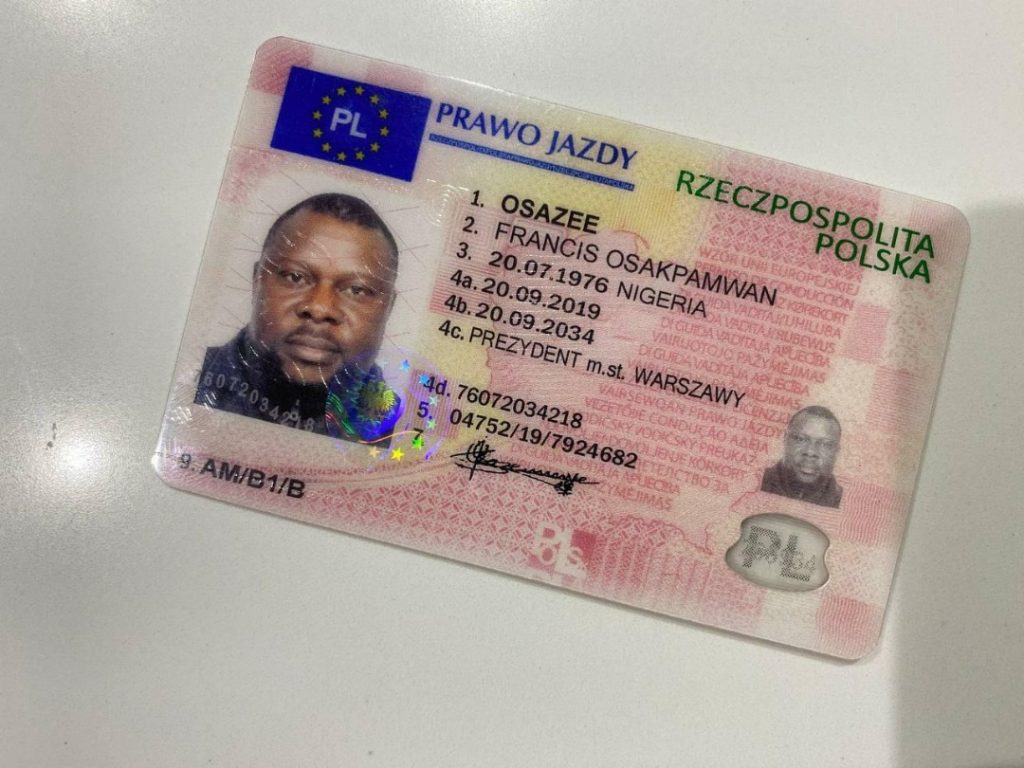
10 Facts About Polish Drivers License Rules That Can Instantly Put You In Good Mood
Understanding Polish Drivers License Rules: A Comprehensive Guide
Browsing the rules and regulations surrounding obtaining a motorist's license in Poland can be difficult, especially for newcomers. Whether you are a local, a foreign national, or simply going through, having a clear understanding of the Polish driving regulations is essential. Polskie Prawo Jazdy Na Sprzedaż will explore the numerous types of licenses, the process of obtaining one, crucial rules to abide by, and regularly asked questions to assist demystify the subject.
Kinds Of Polish Driver's Licenses
Poland, like lots of nations, concerns different categories of chauffeur's licenses according to the kinds of automobiles one is allowed to drive. The classifications are as follows:
License Category
Kind of Vehicle
Minimum Age
Needed for Driving
AM
Two-wheeled automobiles up to 50cc and quads
14
Mopeds, scooters
A1
Motorcycles up to 125 cc
16
Light motorbike
A2
Motorbikes with an optimal power of 35 kW
18
Medium bike
A
All bikes
24
Heavy motorbike
B
Cars (approximately 3.5 lots) and light vans
18
Basic cars
C
Trucks over 3.5 loads
21
Heavy automobiles
D
Buses
24
Passengers vehicles
B+E
Mix of B and trailer
18
Car with trailer
C+E
Mix of C and trailer
21
Truck with trailer
D+E
Mix of D and trailer
24
Bus with trailer
The Process to Obtain a Polish Driver's License
Getting a Polish driver's license includes numerous steps that a person requires to carefully follow. Here's an in-depth breakdown of the process:
Eligibility Check: Ensure that you satisfy the minimum age and other eligibility requirements for the desired license classification.
Theory Examination:
- Enroll in a driving school to get ready for the theoretical and useful tests.
- The theory examination covers traffic rules, indications, and regulations.
- It includes 32 multiple-choice questions, of which a minimum of 26 need to be addressed correctly to pass.
Practical Training:
- After passing the theoretical test, prospects need to finish a minimum number of behind-the-wheel training hours.
- The exact number of hours might differ based upon the driving school and vehicle classification.
Practical Examination:
- Upon conclusion of practical training, prospects take a driving test to show their abilities.
- The practical examination consists of both a closed circuit test and a roadway test.
Application Submission:
- Once both tests are passed, applicants should send the following documents to the local government workplace:
- Completed application.
- Identity document (passport or ID).
- A medical certificate validating physical fitness to drive.
- Payment invoice of the application charge.
- Once both tests are passed, applicants should send the following documents to the local government workplace:
Issuance of License:
- After processing the application, the chauffeur's license will be provided, usually within a couple of weeks.
Important Rules and Regulations for Driving in Poland
Driving in Poland includes its own set of commitments and rules that all drivers must follow. Here are some essential rules:
Speed Limits:
- Urban locations: 50 km/h
- Non-urban areas: 90 km/h
- Expressways: 100 km/h
- Motorways: 140 km/h
Note: Speed limitations may vary in school zones and building and construction websites.
Alcohol Limit:
- The legal blood alcohol limit is 0.2 ‰ (0.0 ‰ for expert drivers, drivers under 24, and those who have actually had their licenses for less than two years).
Safety Belt Use:
- Seat belts are obligatory for all occupants of the automobile.
Kid Restraints:
- Children under 150 cm must use proper child safety seats.
Smart Phone Usage:
- Using a smart phone while driving is forbidden unless using a hands-free system.
Winter season Tires:
- It is a good idea to utilize winter season tires from December 1 to March 1.
Traffic Signs:
- Understanding and complying with traffic signs are crucial for preserving safety on Polish roads.
Understanding the rules surrounding acquiring and holding a Polish driver's license can assist in a smoother experience for drivers of all backgrounds. From understanding the different license classifications to following important traffic rules, each element plays a vital function in ensuring safety and compliance.
Frequently Asked Questions (FAQs)
Can I drive in Poland with my foreign motorist's license?
- Yes, visitors holding a valid foreign chauffeur's license can drive in Poland for as much as six months. An International Driving Permit (IDP) is advised however not obligatory.
What is the cost of getting a Polish chauffeur's license?
- The total cost can vary depending upon the driving school, however usually, it can vary from 3,000 to 5,000 PLN (Polish Zloty).
For how long does it require to get a Polish chauffeur's license?
- The timeline can vary based upon the individual's preparation and availability of exam slots, however it usually takes several weeks to a few months.
Exist any medical requirements to obtain a chauffeur's license?
- Yes, a medical certificate is required to verify that the applicant is fit to drive, especially for specific categories.
What should I do if I lose my motorist's license in Poland?
- Report the loss to the authorities and obtain a replacement at the local federal government workplace, providing necessary identification and documentation.
By sticking to the rules laid out above, driving in Poland can be a safe and enjoyable experience for everyone, contributing to the general roadway security of the nation.